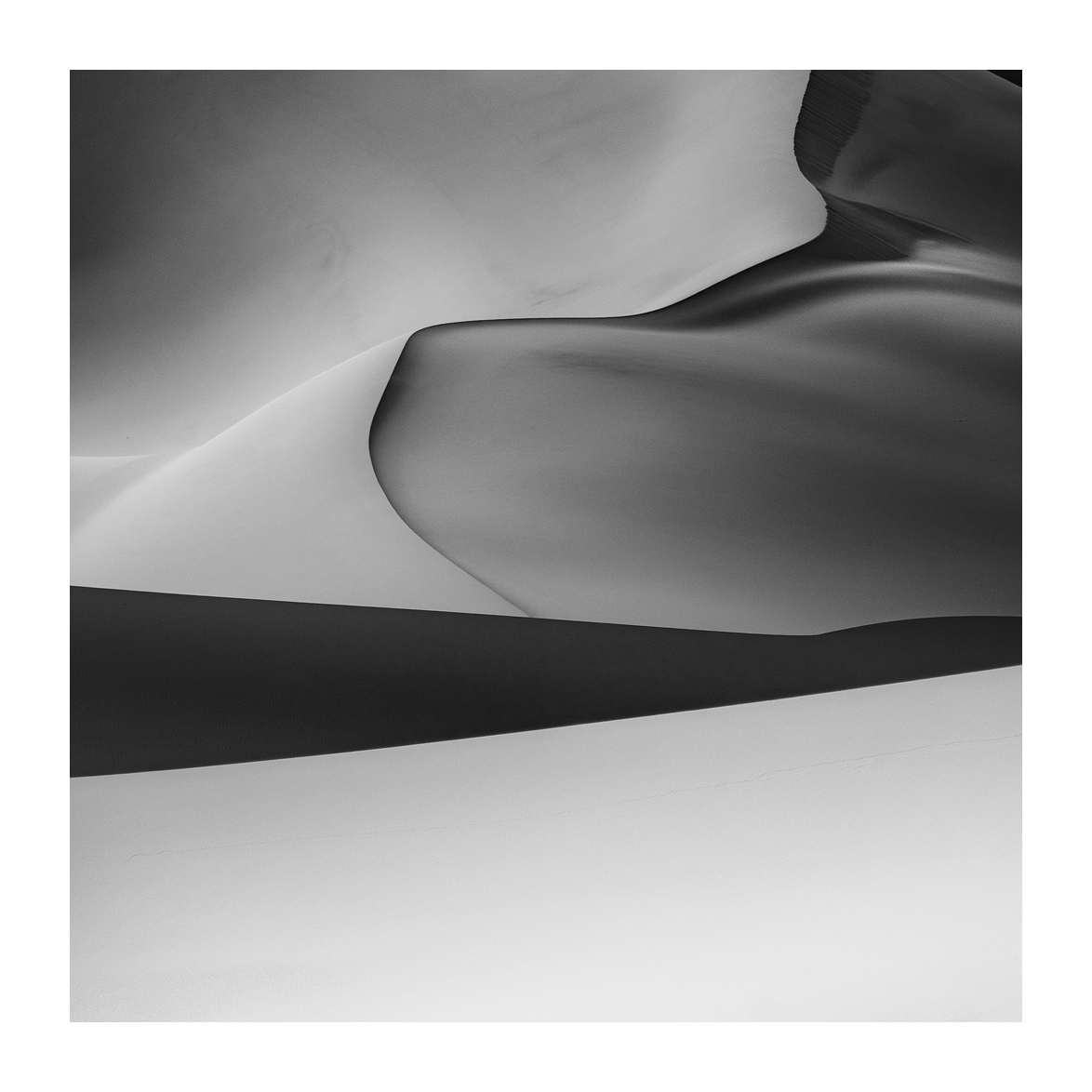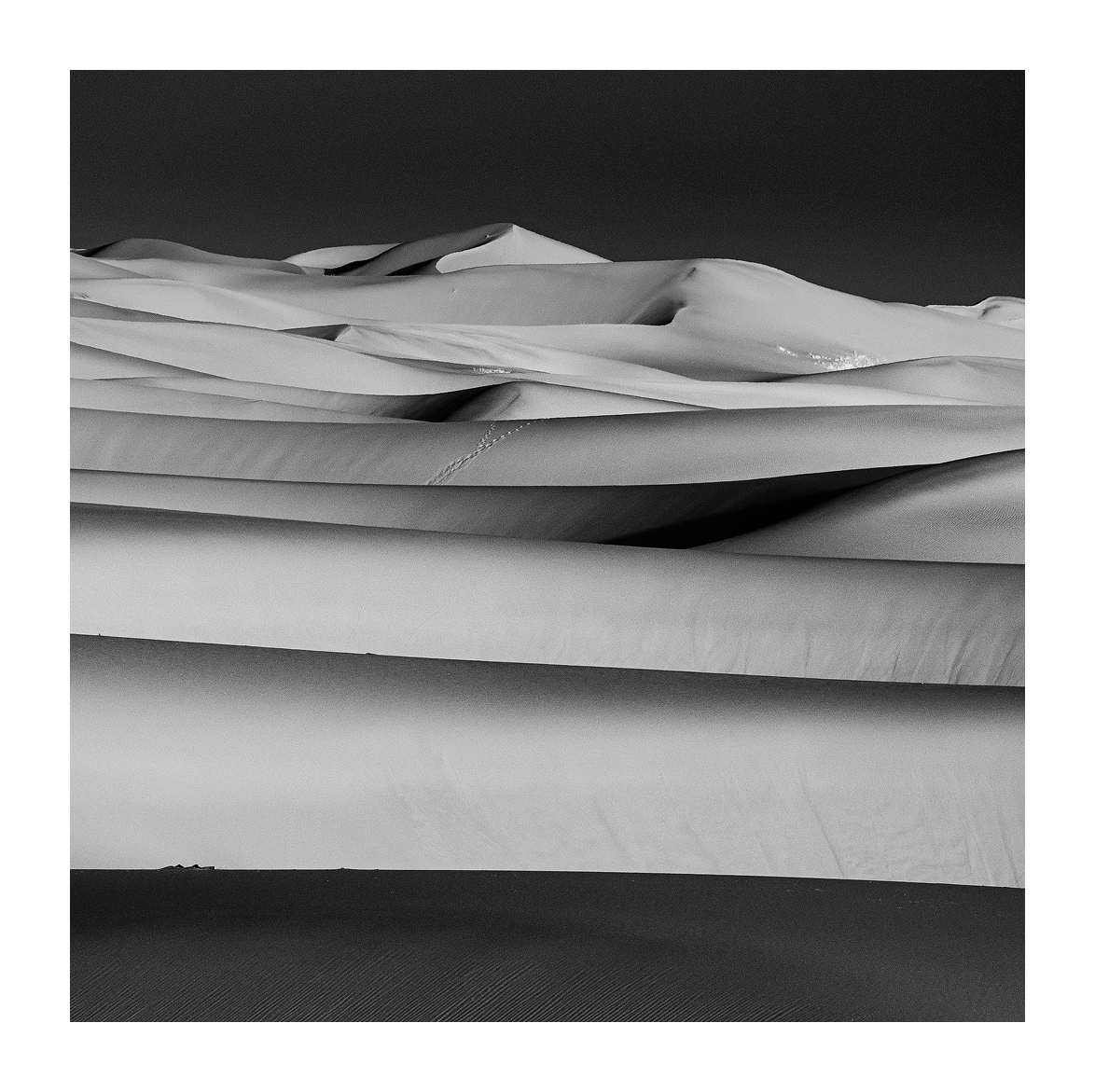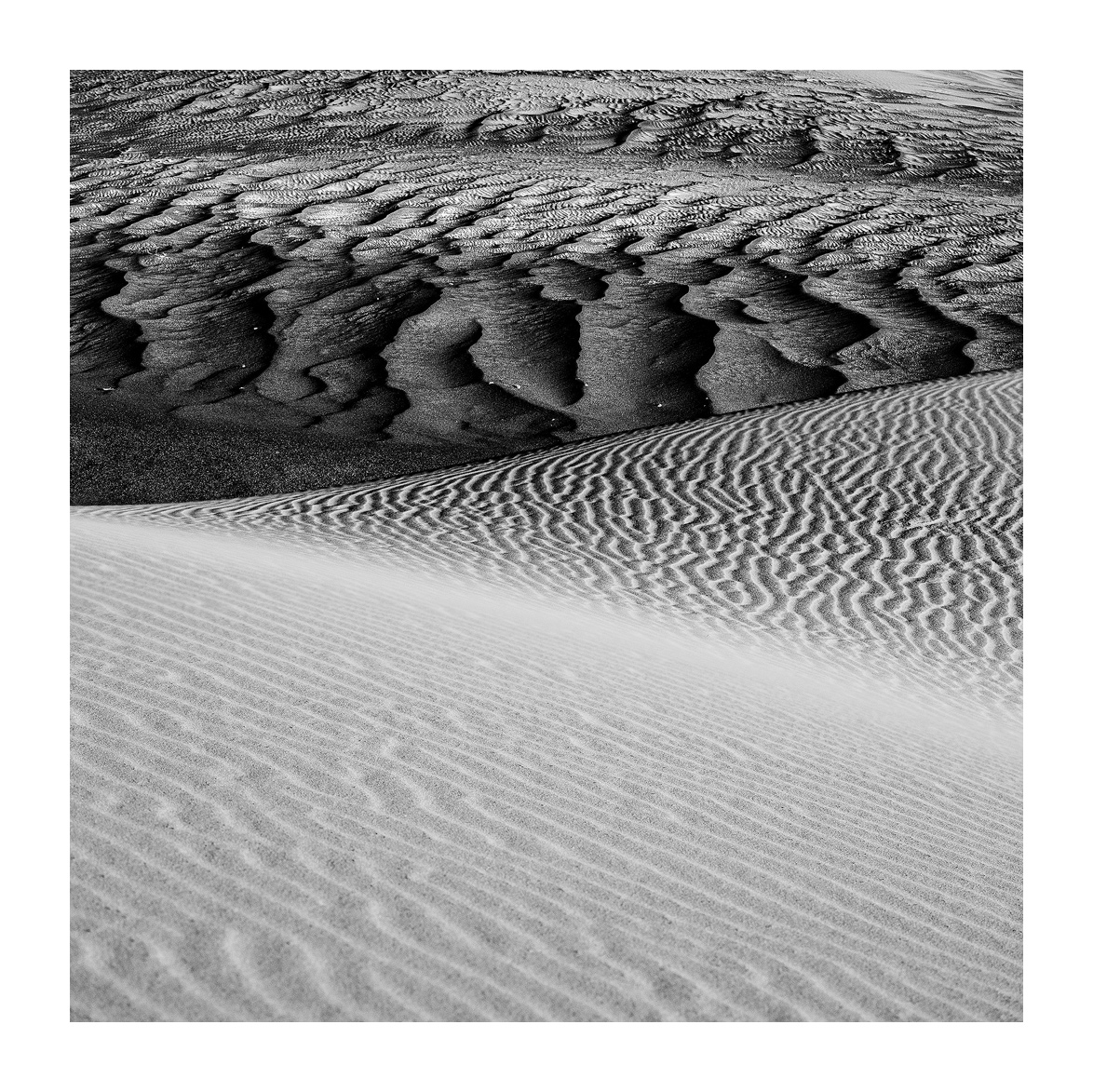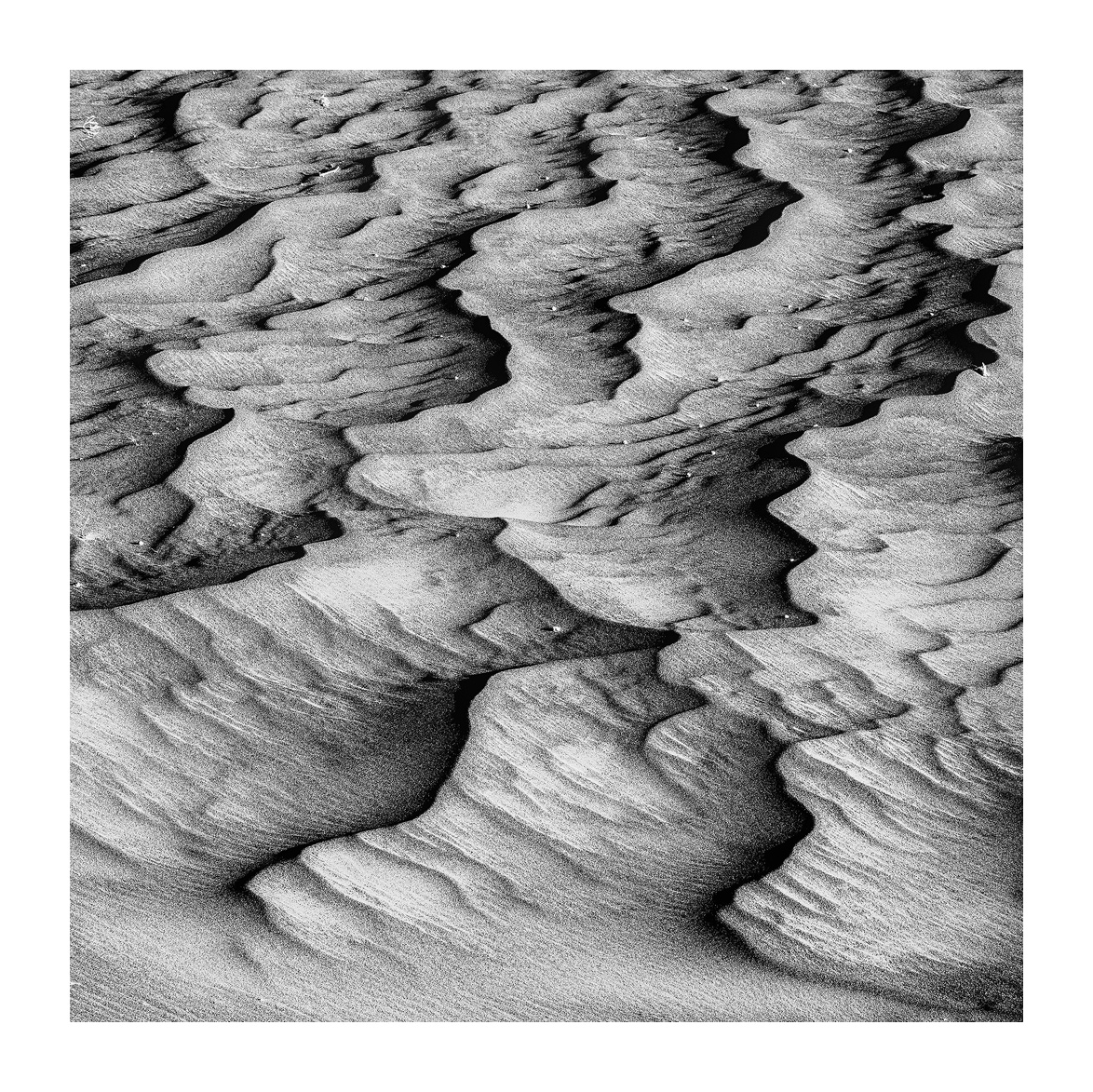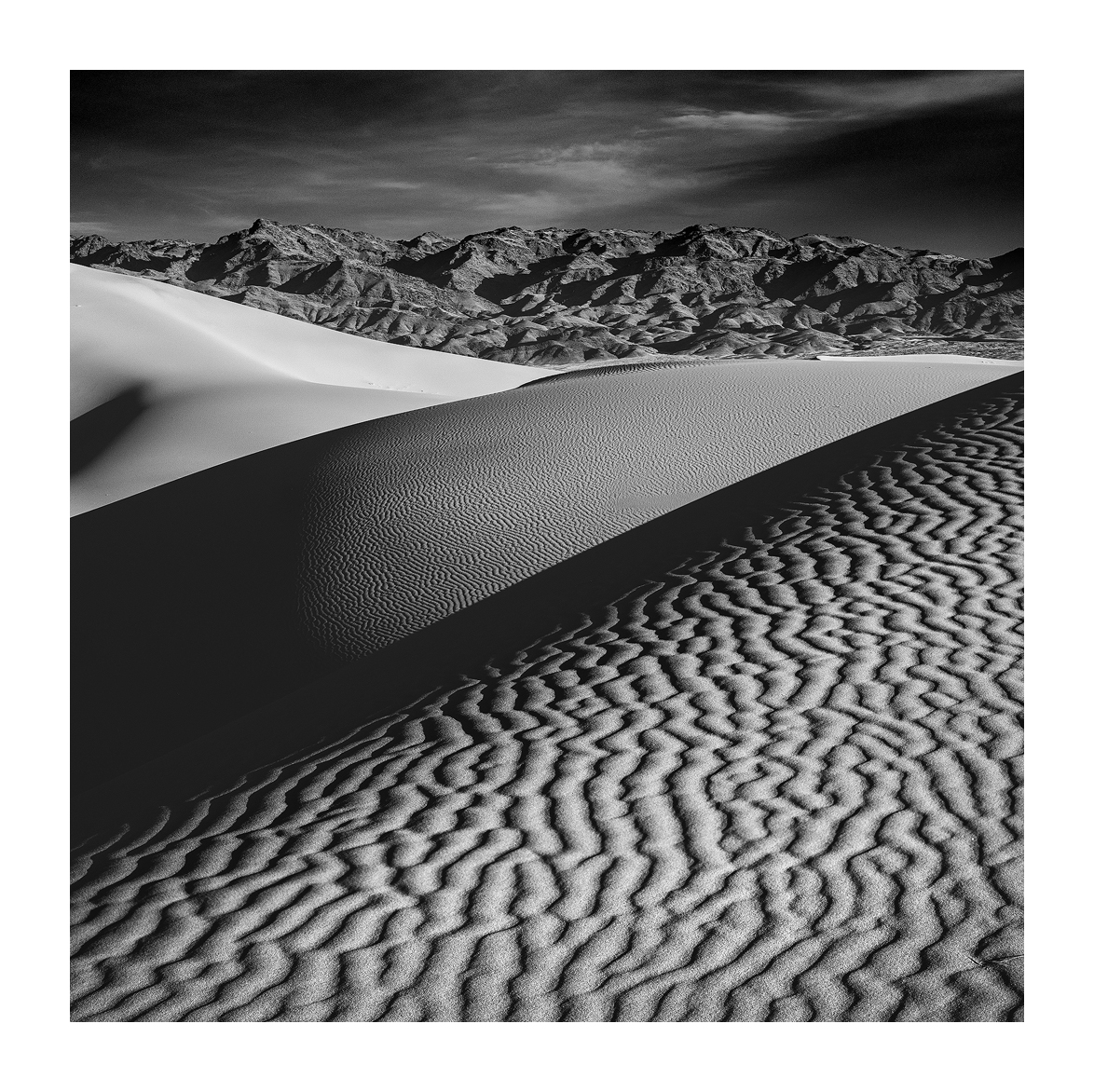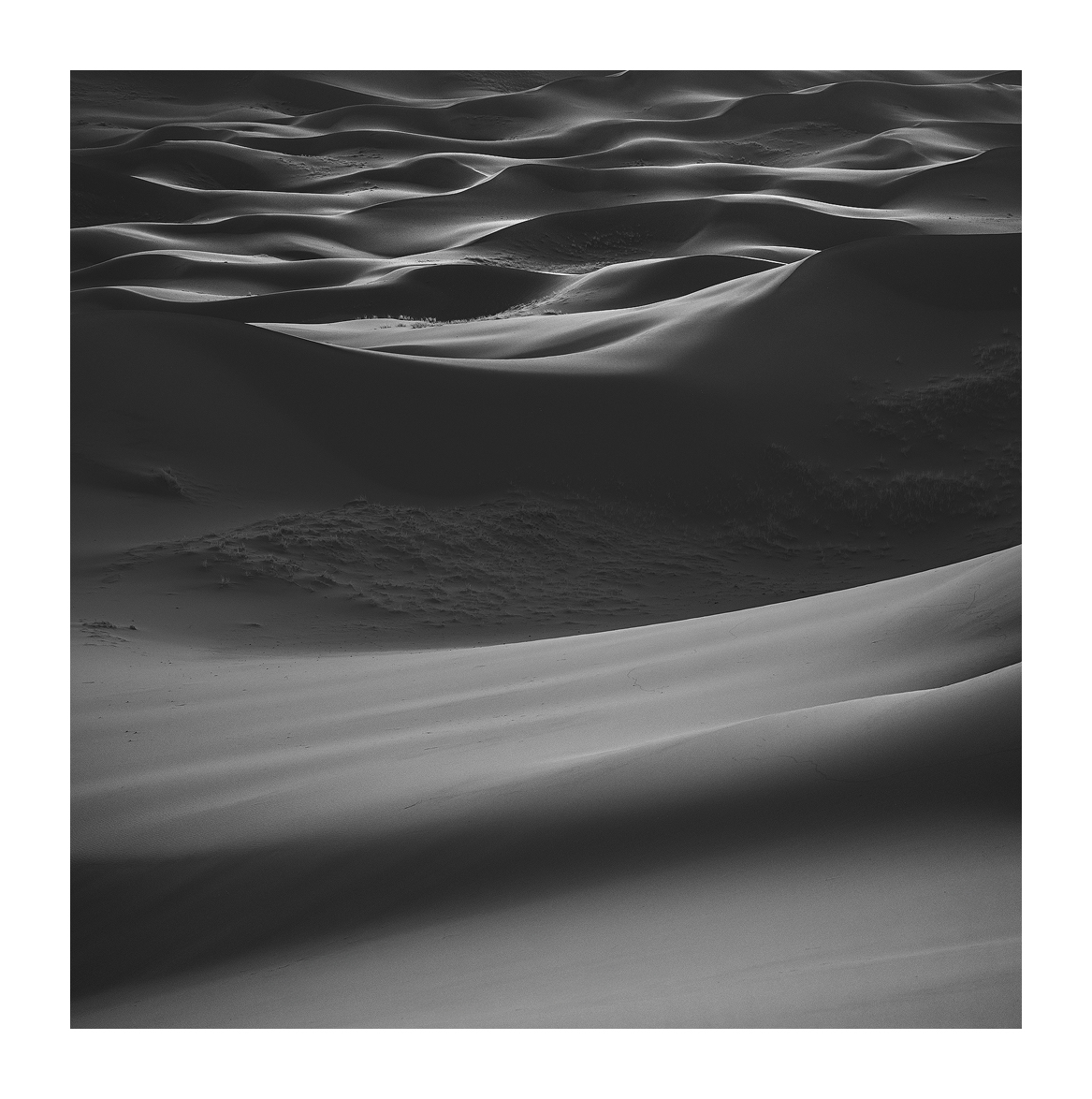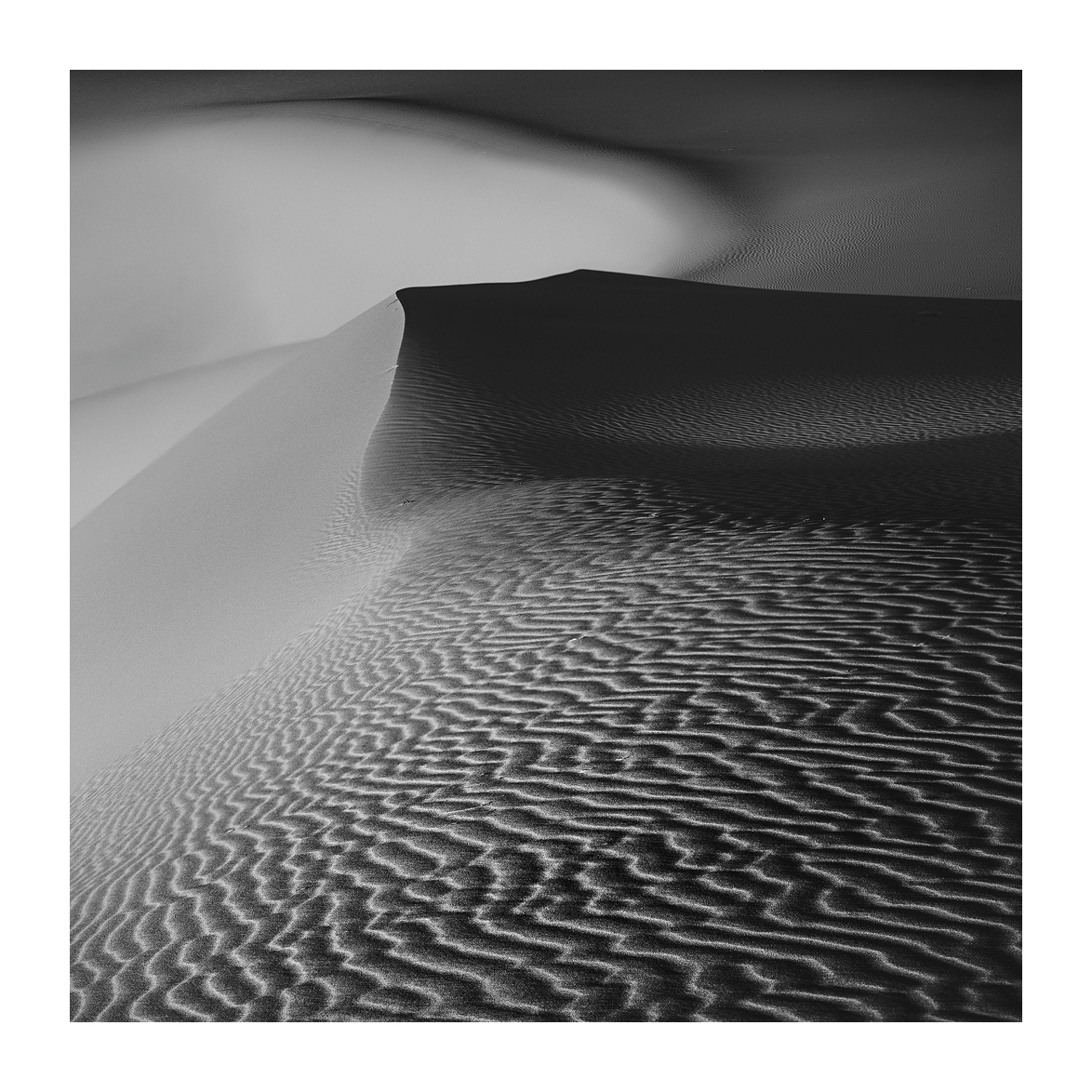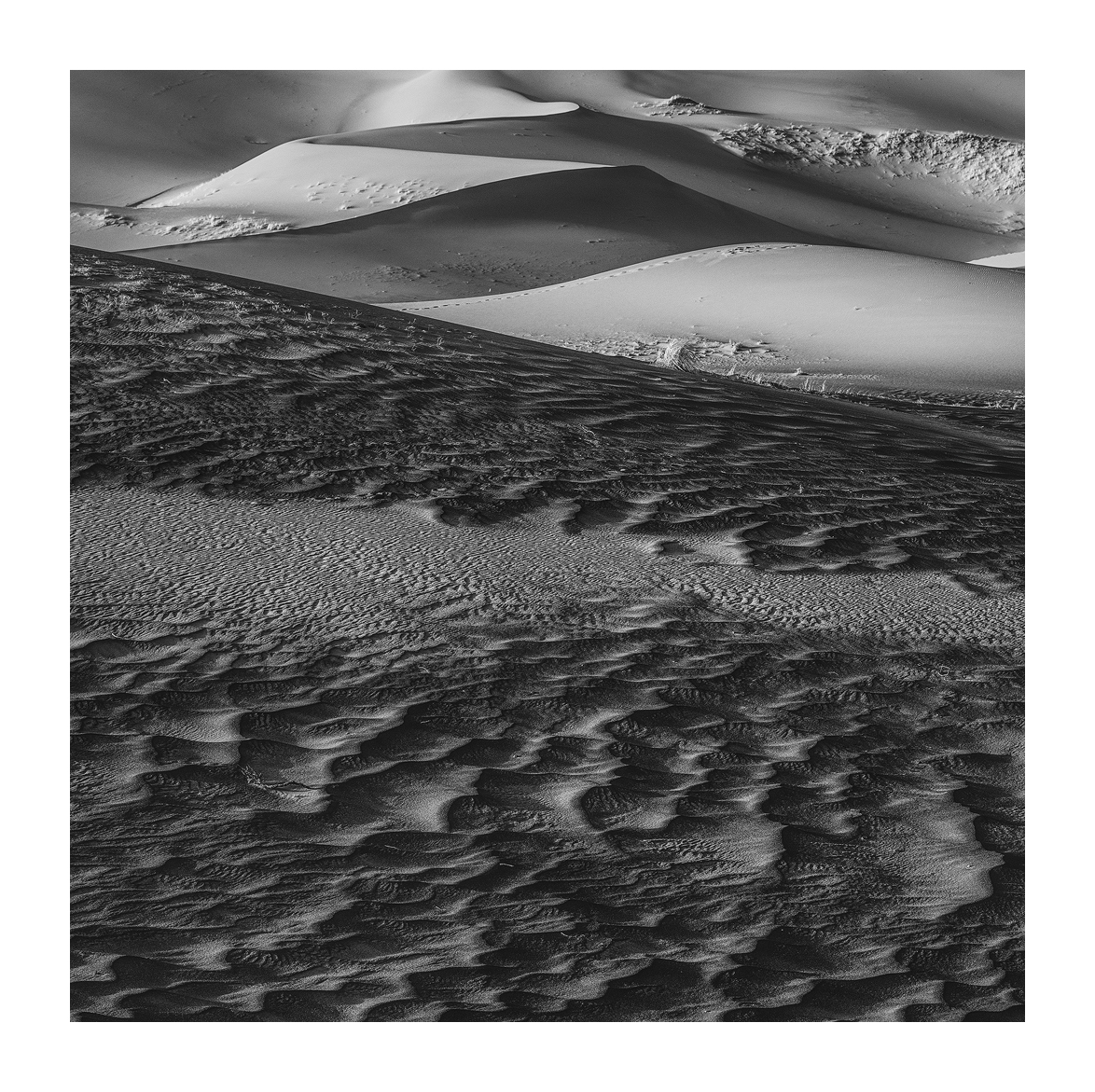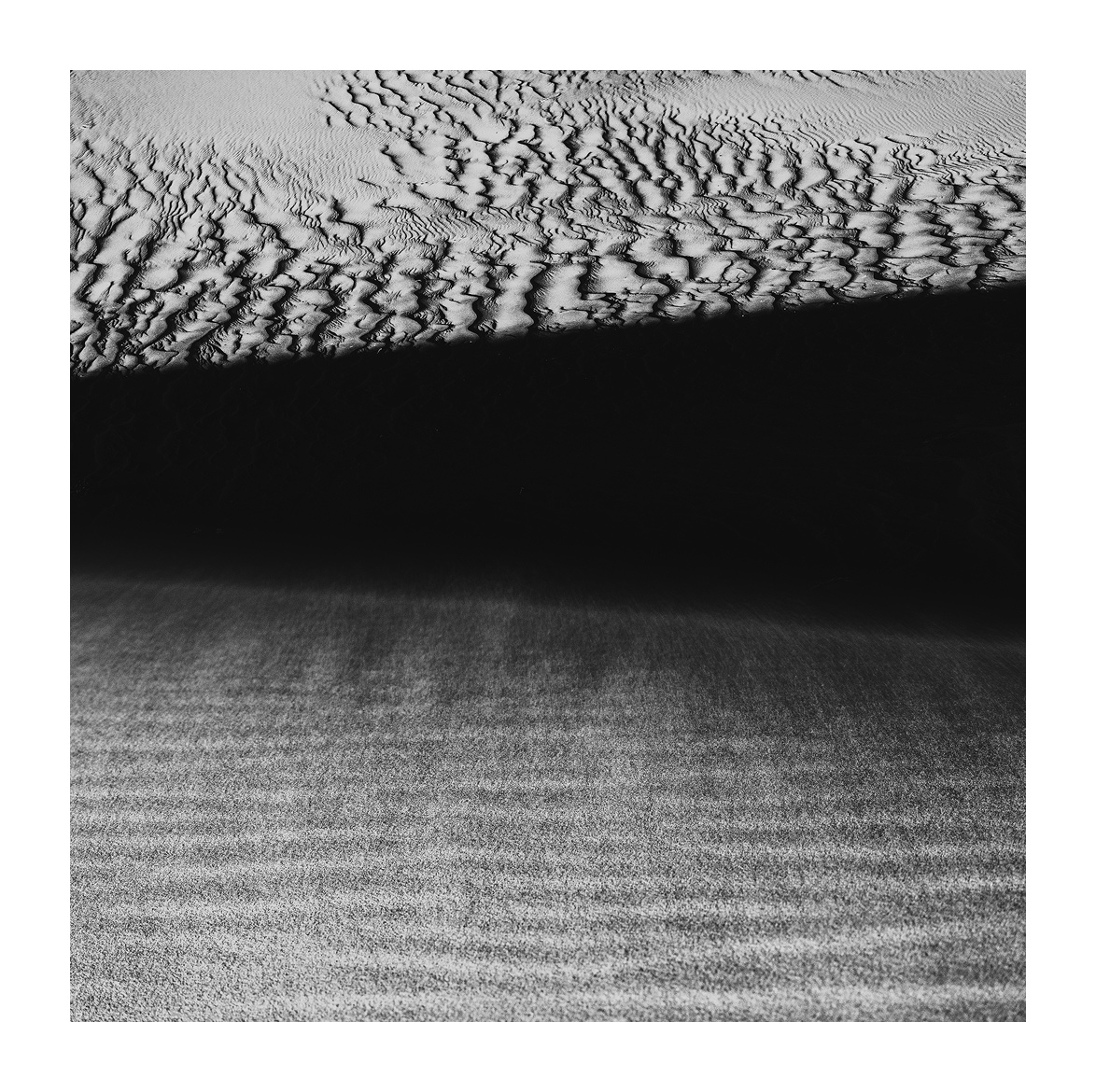
In the Gobi, the dunes are not simply landscapes. They are living terrain. Moving terrain. A place that breathes with the wind.
The great dunes shift constantly, reshaped hour by hour by invisible currents crossing the desert. A ridge that existed yesterday may already be softened or erased tomorrow. Nothing in the desert stays fixed for long.
The dunes also hold sound. On certain days, when the sand slides under itself, the slopes produce a deep resonance known as the “singing sands.” Some describe it as distant thunder. Others as the desert speaking in its sleep. In Mongolian culture, where the relationship between people and landscape has always carried a spiritual dimension, these sounds are often met with respect rather than explanation.
Emotionally, the dunes importance seems to go beyond practicality. The dunes occupy a space somewhere between geography and memory. Vast and empty, yet deeply familiar.
Perhaps that is why photographs from the Gobi often become less about documenting a place and more about tracing a state of mind. Wind carving lines into sand. Light dissolving edges. Shapes appearing briefly before vanishing again. The desert strips the landscape down to gesture and form, until even a dune can feel like a record of time itself.